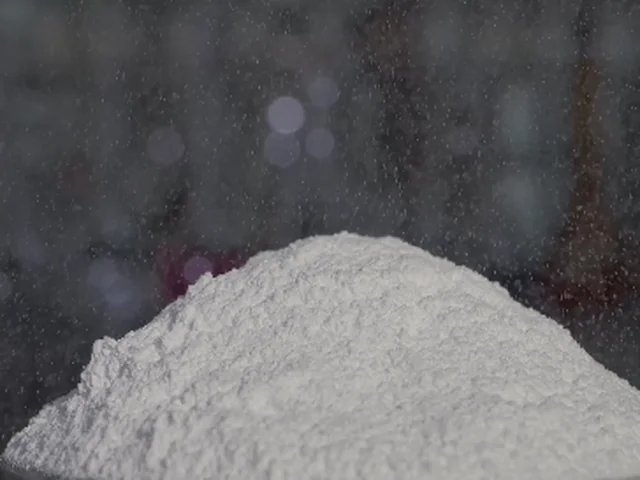
Calcium acetate buffer food grade is a food-approved form of calcium acetate used to control acidity and stabilize pH in processed foods and beverages. It combines calcium with acetate ions to create a mild, water-soluble buffering system.
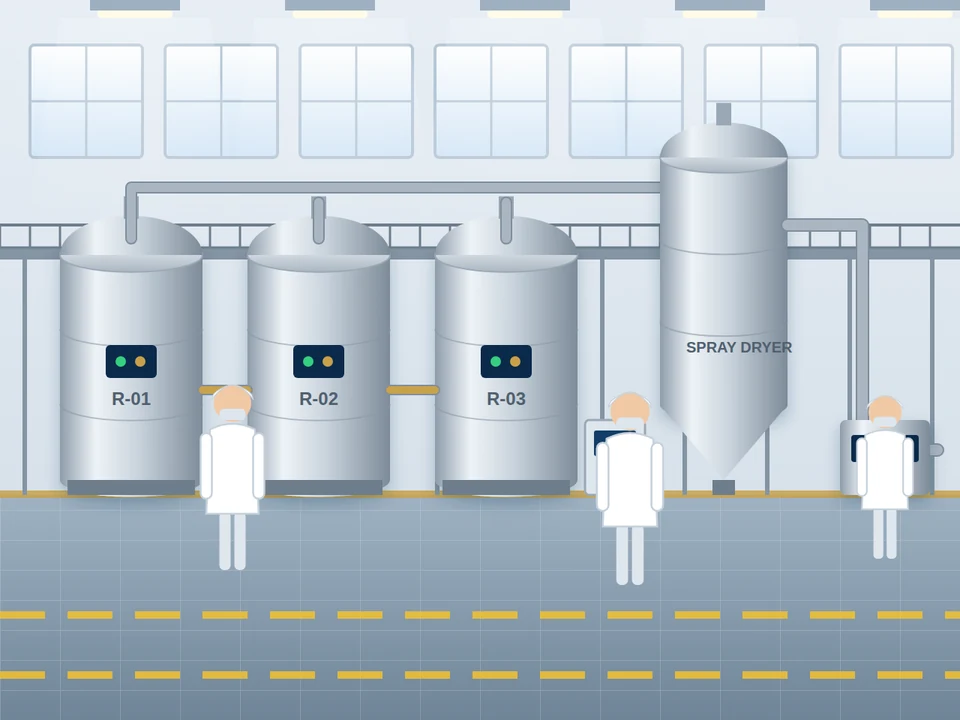
What Is Calcium Acetate Buffer Food Grade Used For?
In food applications, this buffer helps maintain a steady pH during mixing, heating, and storage. It is often found in baked goods, dairy alternatives, and beverage concentrates where small pH shifts can affect flavor or texture.
How Does Calcium Acetate Act as a Buffer?
Acetate ions pair with free hydrogen ions, while calcium ions balance the mix. This dual action resists sudden pH changes. The food-grade version must meet purity limits for heavy metals and other contaminants.
How Do You Choose a Calcium Acetate Supplier?
Look for a calcium manufacturer that provides a certificate of analysis and follows food safety standards. Many buyers also compare calcium supplier options from China calcium salts producers, since that region supplies a large share of global calcium salts. Verify documentation before ordering.
Is Calcium Acetate Buffer Safe in Food?
Yes, when it meets food-grade specifications. Regulatory bodies allow its use as a buffering agent within defined limits. Always confirm the grade and intended use with your supplier.
常见问题
Is calcium acetate buffer food grade the same as industrial calcium acetate?
No. Food-grade calcium acetate must meet stricter purity and safety limits, including lower heavy metal content. Industrial grades may contain impurities not allowed in food.
What foods commonly use calcium acetate as a buffer?
It appears in baked goods, dairy alternatives, and beverage concentrates. It helps maintain a stable pH during processing and storage.
How can I verify a calcium supplier's quality?
Ask for a certificate of analysis for each batch and confirm the product meets food-grade standards. A reliable calcium manufacturer will provide full documentation.