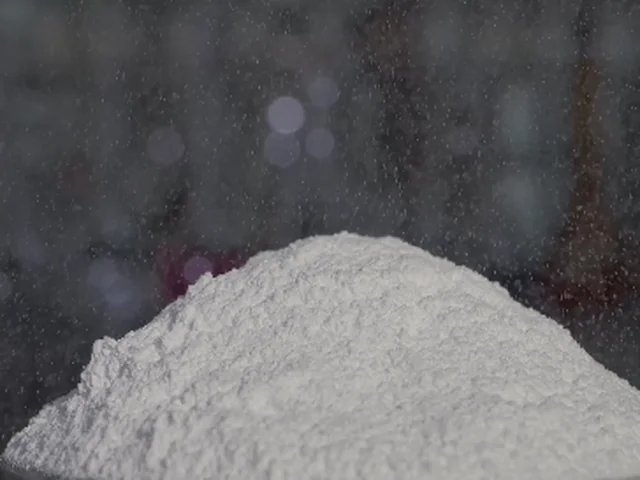
Calcium hydroxide for pH regulator food grade is a high-purity form of hydrated lime (E526) used to raise pH in food and beverage processing. It neutralizes excess acid without introducing harmful residues.

Why use calcium hydroxide as a food-grade pH regulator?
It is cost-effective, highly alkaline, and approved by regulators such as the FDA and EFSA. Unlike sodium-based alternatives, it adds calcium, which can fortify the final product. It also leaves minimal taste impact when dosed correctly.
Where is it commonly applied?
You'll find it in cocoa processing, sugar refining, and the production of certain beverages. It adjusts mash pH in brewing and helps clarify juices. In these roles, consistent purity is critical to avoid off-flavors or contamination.
What should you look for in a calcium supplier?
Choose a calcium manufacturer that provides a food-grade certificate of analysis and complies with FCC or E526 standards. Many buyers in Asia turn to established china calcium salts producers for reliable supply. A reputable calcium supplier will also offer technical support for dosing and handling.
How is it dosed and stored safely?
Calcium hydroxide is typically added as a slurry or dry powder, with pH monitored continuously. Store it in sealed containers away from moisture and acids. Always follow local safety guidelines for alkaline materials.
常见问题
Is calcium hydroxide safe to use in food?
Yes, food-grade calcium hydroxide (E526) is approved for use as a pH regulator in many countries. It is generally recognized as safe when used according to Good Manufacturing Practices. Always source from a reputable supplier with proper documentation.
How does calcium hydroxide compare to sodium hydroxide for pH adjustment?
Calcium hydroxide is less caustic and adds calcium instead of sodium, which can be beneficial for nutrition. However, it has lower solubility, so it may require more careful mixing. The choice depends on the specific food matrix and desired mineral profile.
What purity level is required for food-grade calcium hydroxide?
Food-grade calcium hydroxide typically must meet a minimum purity of 95% or higher, with strict limits on heavy metals and other contaminants. It should comply with standards like FCC or E526. Always request a certificate of analysis from your supplier.