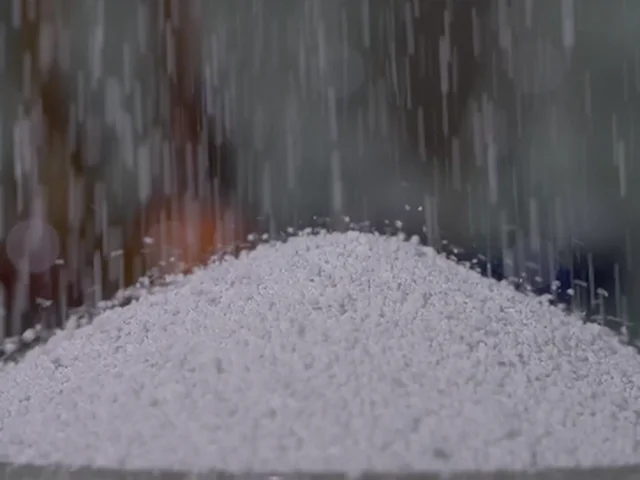
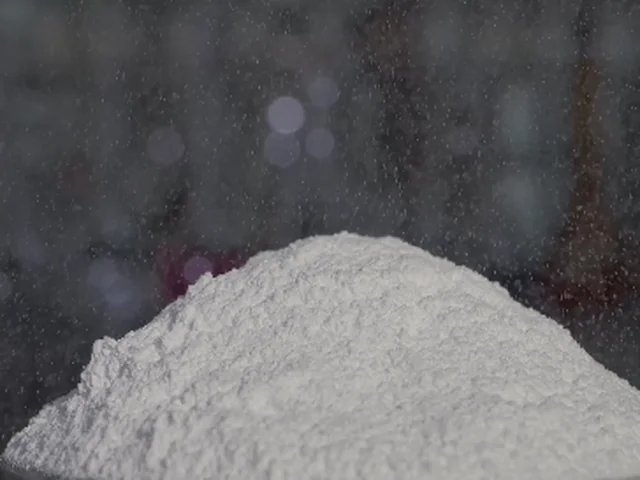
A magnesium oxide heavy food grade exporter is a supplier that ships high-purity, dense magnesium oxide intended for food and nutraceutical use across international borders. This grade is valued for its low bulk volume, consistent flow, and suitability in supplements, pH control, and mineral fortification.

What makes heavy food grade magnesium oxide different?
Heavy magnesium oxide has a higher bulk density than light grades, which affects handling, tableting, and dosage accuracy. Food-grade material must also meet purity limits for heavy metals and be supported by certificates of analysis.
Exporters typically source from qualified producers and manage documentation, packaging, and logistics. Buyers should confirm that the product meets relevant food safety regulations in the destination market.
How do you choose a reliable exporter?
Start by verifying product specifications, third-party test reports, and the exporter's track record with food-grade shipments. A dependable partner should provide clear COAs, allergen and contaminant statements, and traceable batch records.
It also helps to work with an exporter that understands adjacent ingredient categories, such as a calcium manufacturer or a calcium supplier for combined mineral formulations. Many reputable exporters also handle china calcium salts and other food additives, simplifying multi-ingredient sourcing.
Which documents should accompany each shipment?
Expect a certificate of analysis, safety data sheet, and certificate of origin, plus any required food-contact or import permits. Packaging should protect the powder from moisture and contamination during transit.
Why does supplier transparency matter?
Transparent exporters share audit reports, production locations, and handling procedures. This reduces the risk of adulteration and helps buyers meet their own regulatory obligations.
常见问题
What is the difference between heavy and light magnesium oxide?
Heavy magnesium oxide has a higher bulk density and takes up less volume per unit weight, while light magnesium oxide is fluffier. Heavy grades are often preferred for tableting and consistent dosing in food and supplement applications.
How can I verify a food grade magnesium oxide exporter?
Ask for a certificate of analysis for each batch, confirm third-party testing for heavy metals, and check that the exporter can provide traceability and food safety documentation. A site audit or reference checks can further validate reliability.
Does heavy food grade magnesium oxide have shelf-life limits?
Yes, like most mineral powders it has a shelf life, typically stated by the manufacturer when stored dry and sealed. Buyers should confirm the recommended storage conditions and retest intervals with the exporter.